Internet of Things IoT
Connecting smart devices to make life easier, faster and more intelligent.
Introduction
The Internet of Things, also known as IoT, is a modern technology that connects physical devices to the internet. These devices can collect data, share information and perform actions automatically without continuous human effort.
IoT is used in smart homes, healthcare, agriculture, industries, vehicles and smart cities. It is making our daily life more comfortable, secure and automated.
What is IoT?
IoT means a network of smart devices that are connected through the internet. These devices use sensors, software and communication technology to collect and exchange data.
How IoT Works
1. Sensors
Sensors collect data like temperature, motion, location or speed.
2. Connectivity
Devices send data using Wi-Fi, Bluetooth, 5G or mobile networks.
3. Data Processing
The collected data is processed by cloud servers or software.
4. Action
The device performs an action or sends information to the user.
Real-Life Examples of IoT
1. Smart Home
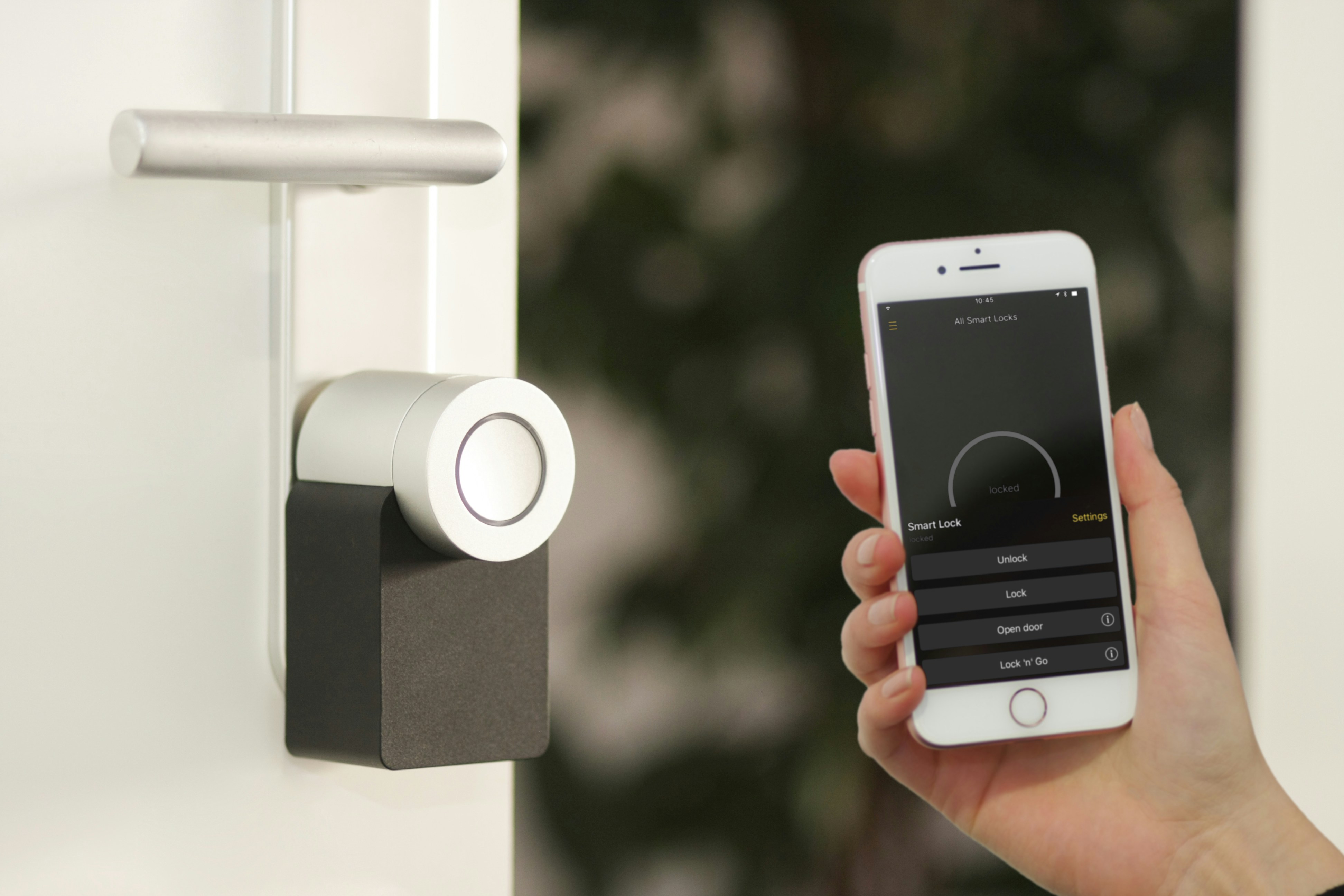
In smart homes, IoT is used to control lights, fans, doors, security cameras and appliances. A person can control everything using a mobile app.
2. Healthcare

IoT devices like smart watches and fitness bands help monitor heart rate, steps, sleep and oxygen levels. Doctors can also monitor patients remotely.
3. Agriculture

Farmers use IoT sensors to check soil moisture, weather conditions and crop health. This helps in saving water and improving crop production.
4. Smart Vehicles
Modern cars use IoT for GPS tracking, accident alerts, fuel monitoring and vehicle health checking.
Benefits of IoT
Automation
IoT reduces manual work by automating daily tasks.
Time Saving
Smart devices perform tasks faster and more efficiently.
Cost Saving
IoT helps reduce electricity, water and maintenance costs.
Better Security
Smart cameras and alarms improve home and office security.
Challenges of IoT
Although IoT is very useful, it also has some challenges such as security risks, privacy issues, high installation cost and internet dependency.
Future of IoT
The future of IoT is very bright. With the growth of Artificial Intelligence, 5G and cloud computing, IoT devices will become faster and smarter. In the coming years, smart homes, smart cities and smart industries will become more common.
Conclusion
IoT is changing the way humans interact with technology. It connects devices and makes them intelligent. From homes to hospitals and farms to factories, IoT is helping people work smarter and live better.